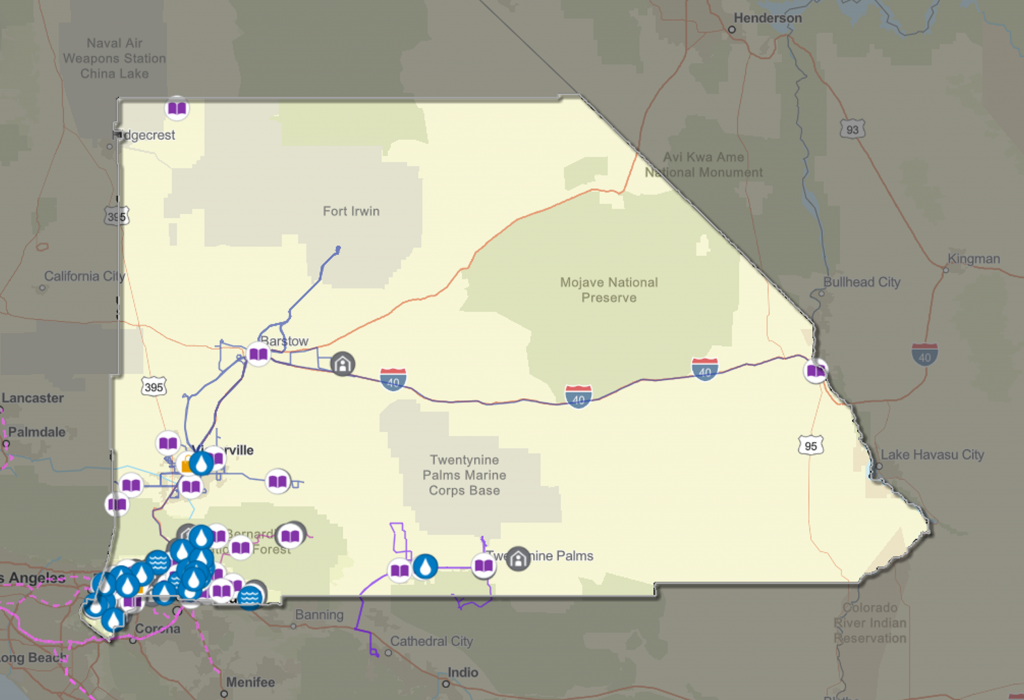
Cool Places To Go in San Bernardino County
“Cool Places to Go” are public spaces where you can go to safely cool down.
- Libraries
- Indoor Malls
- Community Centers
- Splash Pads
- Community Pools and Recreation Centers
Heat Basics
- Did You KnowDid You Know
- What Is Extreme HeatWhat Is Extreme Heat
- Who Is At RiskWho Is At Risk
- Stay InformedStay Informed
Heat is the leading cause of weather-related deaths in the United States each year. When people are exposed to high heat, it can cause serious health emergencies like heat stroke and heat exhaustion.
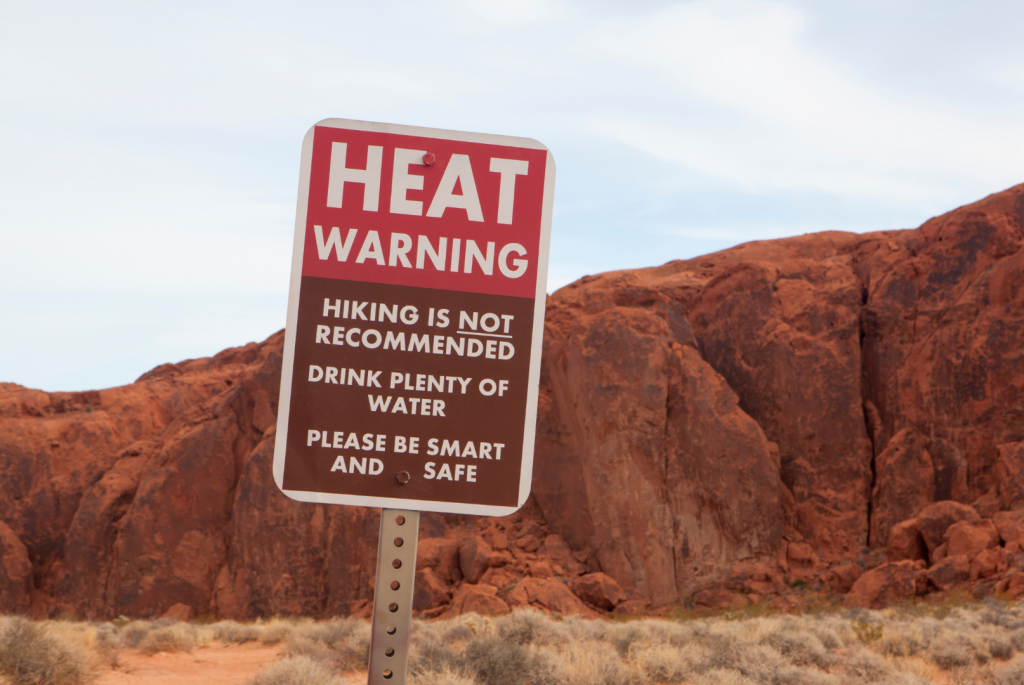
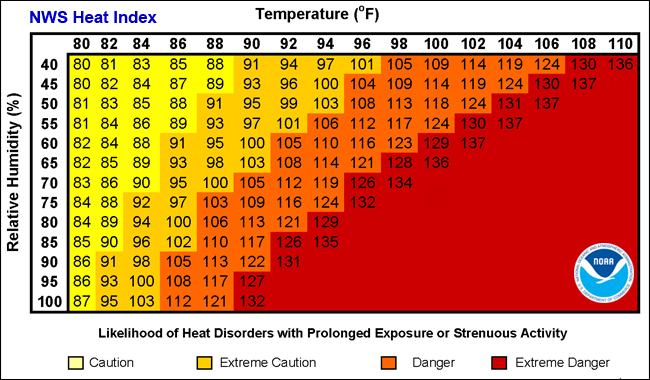
Extreme heat describes temperatures that are much hotter than usual. An extreme heat event is two or more days and nights of unusually high heat for a given area. High levels of humidity can cause outdoor temperatures to feel hotter.
San Bernardino County is expecting more severe, and longer-lasting episodes of extreme heat in California, posing greater danger to the community.
Who Is Most at Risk When It’s Hot?
Summer heat waves can be dangerous, especially for people who may be more sensitive to the heat, including:
- Those working outdoors or in unconditioned indoor environments
- Older adults (65+)
- Infants and children
- Those with chronic health conditions
- People with access needs or disabilities
- Pregnant people
- Athletes
- Those without air conditioning
- Those using pharmaceutical medication or substances
- Animals
Be Heat Ready by Staying Informed:
Stay up-to-date on the local weather forecasts and the most recent extreme heat alerts.
Check the 7-day “HeatRisk” forecast to plan ahead and prepare for heat. Click on the button to view the National Weather Service Heat Risk map.
Link for Button: www.wpc.ncep.noaa.gov/heatrisk
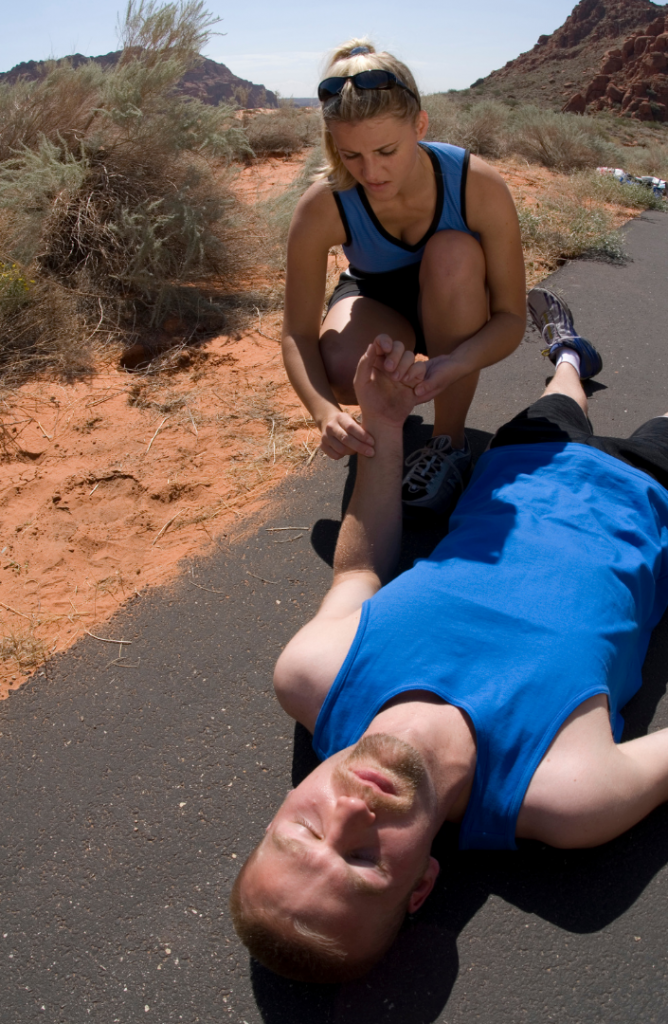
What Is Heat-Related Illness?
When temperatures are high the body works extra hard to maintain its normal temperature. The body normally cools itself by sweating, but sometimes that is not enough. Heat-related illness occurs when the body cannot cool itself down.
- Heat StrokeHeat Stroke
- Heat ExhaustionHeat Exhaustion
- Heat CrampsHeat Cramps
- SunburnSunburn
- Heat RashHeat Rash
What to Look for:
- High body temperature (103°F or higher)
- Hot, red, dry, or damp skin
- Fast, strong pulse
- Headache
- Dizziness
- Nausea
- Confusion
- Losing consciousness (passing out)
What to Do:
- Call 911 right away-heat stroke is a medical emergency
- Move the person to a cooler place
- Help lower the person’s temperature with cool cloths or a cool bath
- Do not give the person anything to drink
What to Look for:
- Heavy sweating
- Cold, pale, and clammy skin
- Fast, weak pulse
- Nausea or vomiting
- Muscle cramps
- Tiredness or weakness
- Dizziness
- Headache
- Fainting (passing out)
What to Do:
- Move to a cool place
- Loosen your clothes
- Sip water
- Put cool, wet cloths on your body or take a cool bath
- Get medical help right away if:
- You are throwing up
- Your symptoms get worse
- Your symptoms last longer than 1 hour
What to Look for:
- Heavy sweating during intense exercise
- Muscle pain or spasms
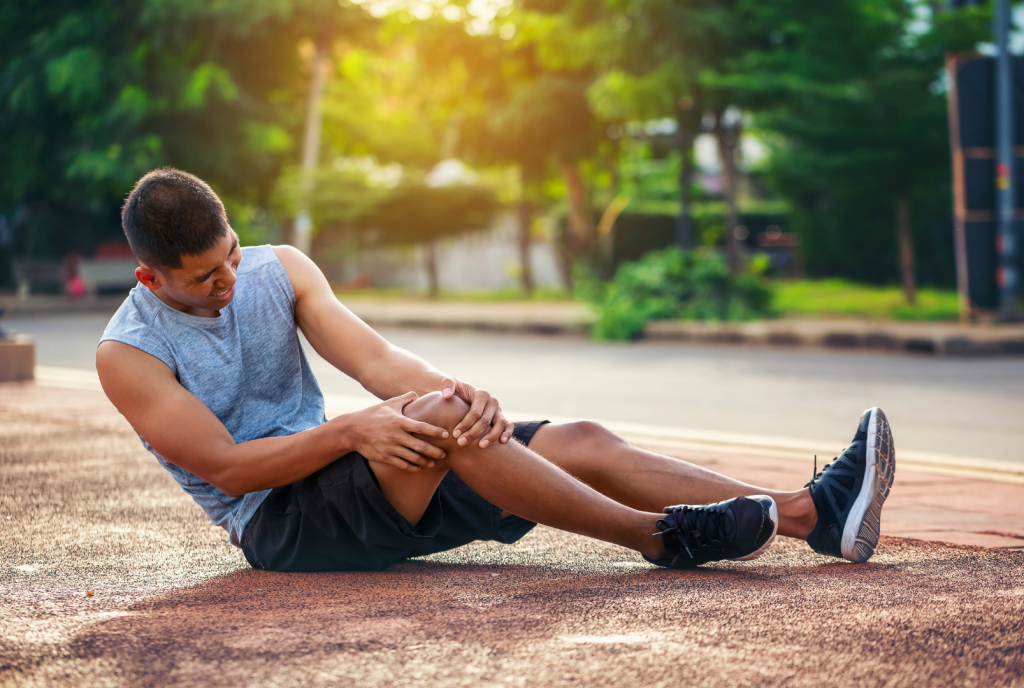
What to Do:
- Stop physical activity and move to a cool place
- Drink water or a sports drink
- Wait for the cramps to go away before you do any more physical activity
- Get medical help right away if:
- Cramps last longer than 1 hour
- You’re on a low-sodium diet
- You have heart problems
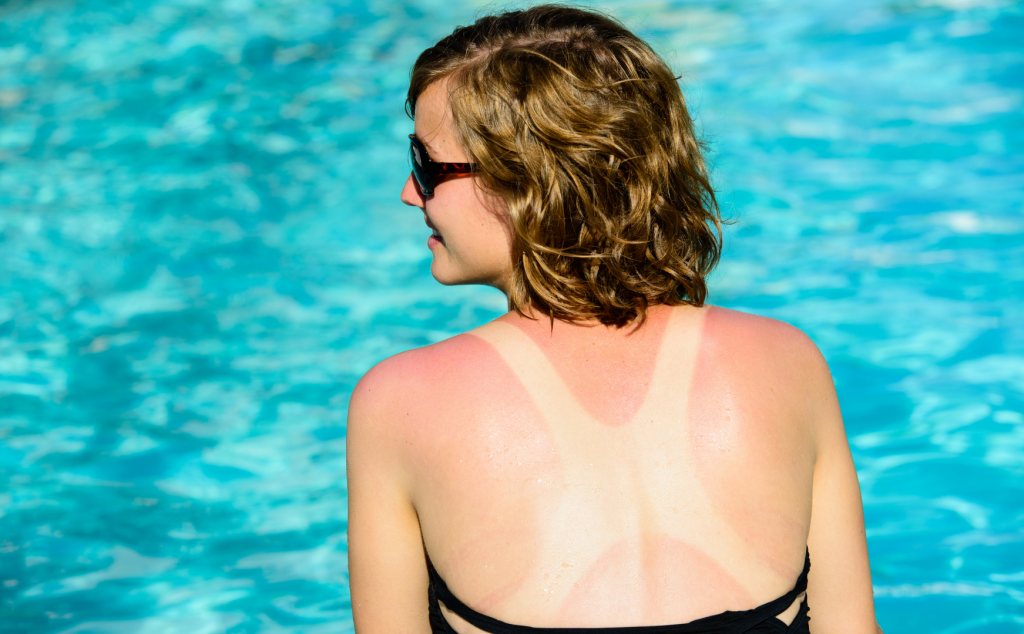
What to Look for:
- Painful, red, and warm skin
- Blisters on the skin
What to Do:
- Stay out of the sun until your sunburn heals
- Put cool cloths on sunburned areas or take a cool bath
- Put moisturizing lotion on sunburned areas
- Do not break blisters
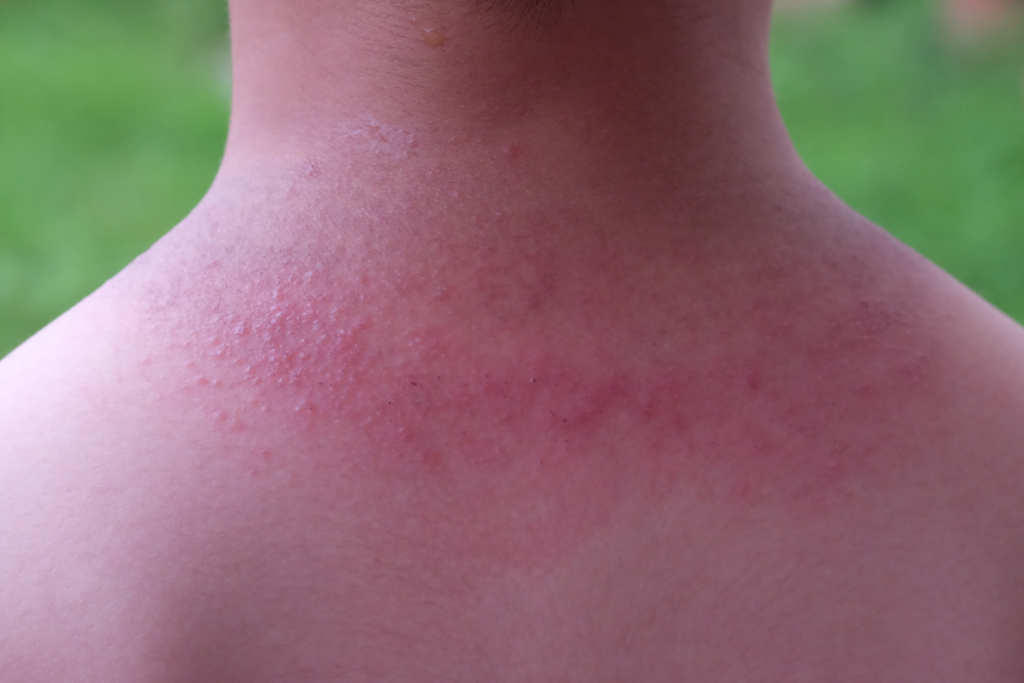
What to Look for:
- Red clusters of small blisters that look like pimples on the skin (usually on the neck, chest, groin, or in elbow creases)
What to Do:
- Stay in a cool, dry place
- Keep the rash dry
- Use powder (like baby powder) to soothe the rash
Recommendations To Prevent Heat-Related Illnesses
Avoid the sun – Stay indoors from 10 a.m. to 4 p.m. when the heat is strongest.

Drink plenty of fluids – Drink 2 to 4 glasses of water every hour.

Replace salt and minerals – Sweating removes salt and minerals from your body, so replenish these nutrients with low-sugar fruit juices or sports drinks during exercise or when working outside.
Avoid alcohol – Alcohol can cause dehydration. Drinking alcohol within 24 hours of working in the heat can increase the risk of heat illness.
Pace yourself – Reduce physical activity and avoid exercising outdoors during peak heat hours.

Wear heat-safe clothing – Wear a wide-brimmed hat and light-colored, lightweight, loose-fitting clothes when you are outdoors.

Stay cool indoors – Set your air conditioner between 75° and 80°. If you don’t have air conditioning, take a cool shower twice a day and visit a public air-conditioned space.

Monitor those at high risk – Use a buddy system to watch each other for signs of heat-related illness. Check in on a friend or neighbor, and have someone check in on you as well.
Use sunscreen – It is recommended to use a sun protection factor (SPF) of at least 15 if you need to be in the sun.

Keep pets safe – Heat also affects animals. Provide plenty of water and shade, and when possible, keep pets indoors. Never leave your pet alone in a vehicle, even if the window is cracked or open.
Low-Cost Cooling Tips
These are do-it-yourself (DIY) ways to stay cool when it’s hot.
- Cool the body with a wet bandana or washcloth around your neck or exposed skin.
- Place a bowl filled with ice or frozen water bottles in front of a fan.
- Close windows and curtains during the hottest parts of the day.
- During cooler parts of the day, open windows and doors to allow cool airflow into the home.
- Take cool showers or baths to lower your body temperature.
- Mist yourself with water using a spray bottle or misting fan to keep your skin wet and cool.
- Position a box fan in a window at night to blow cool air into the home.
- Hang a damp sheet or laundry in front of a window or fan to allow cool air to be blown into the home.
- Visit a Cool Place to Go or a cooling center to cool down in a free, public, air-conditioned space.
- Turn off lights and electronics (like TVs and toasters) when not in use.
- Use the stove and oven less to maintain cooler temperatures in the home.
- Set ceiling fans to rotate counter-clockwise, if possible, to improve airflow.
- More ways to stay safe and cool in the heat!
Power Outages
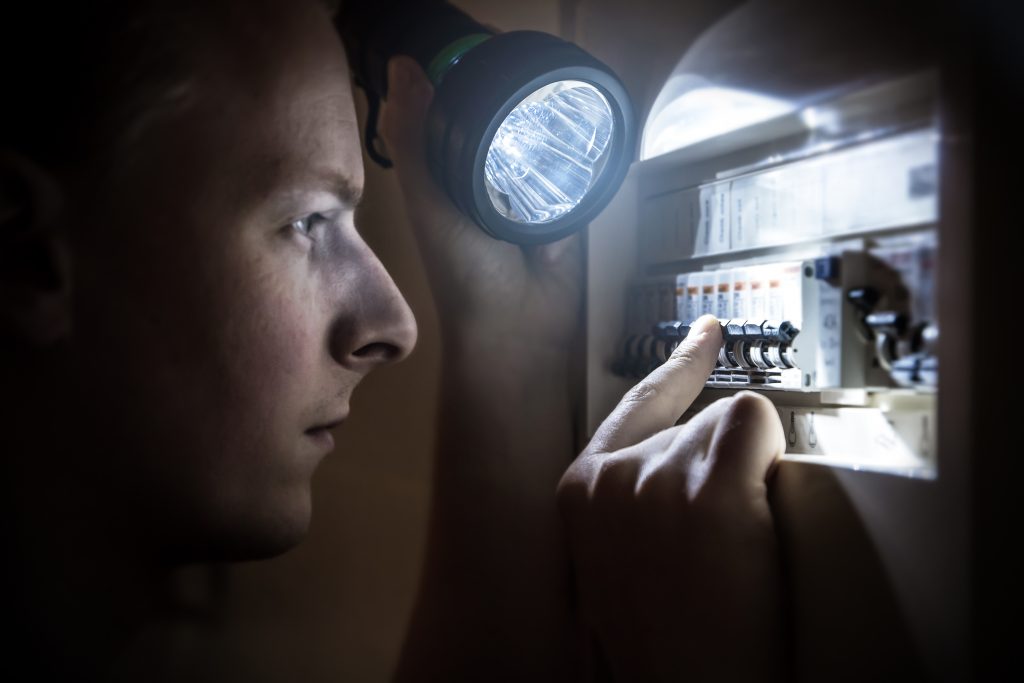
Power outages caused by extreme heat can:
- Disrupt services such as communications, water, transportation, and waste disposal
- Close retail businesses, grocery stores, gas stations, ATMs, and banks
- Cause food spoilage and water contamination
- Prevent the use of medical devices or medical and senior center facilities
To report an outage, find an outage, learn when your power will be restored, or learn about other types of outages, visit the SoCal Edison Outage Center.
Pet Safety
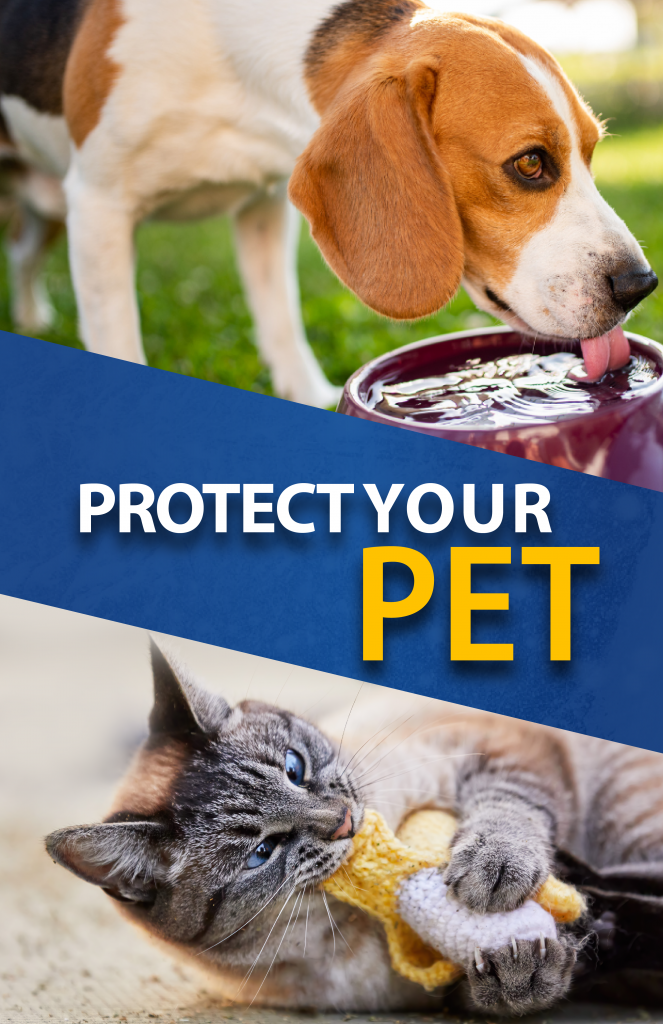
Hydration is Key
Give pets plenty of water.
Provide Plenty of Shade
Ensure pets have plenty of consistent shade, if kept outside.
Avoid Hot Paws
Do not let pets stand on hot sidewalks or asphalt because this may burn their paws.
Bring Your Pets Inside
When possible, keep your pets in a cool indoor space.
Limit Outdoor Activity
Don’t force animals to exercise. Exercise pets early in the morning or late in the evening when temperatures are cooler.
Never Leave Pets in a Parked Vehicle
Even in the shade with the windows cracked, temperatures can be dangerous.
To learn more about pet preparedness, please visit
| Hydration is Key Give pets plenty of water. | Bring Your Pets Inside When possible, keep your pets in a cool indoor space. |
| Provide Plenty of Shade Ensure pets have plenty of consistent shade, if kept outside. | Limit Outdoor Activity Don’t force animals to exercise. Exercise pets early in the morning or late in the evening when temperatures are cooler. |
| Avoid Hot Paws Do not let pets stand on hot sidewalks or asphalt because this may burn their paws. | Never Leave Pets in a Parked Vehicle Even in the shade with the windows cracked, temperatures can be dangerous. |
To learn more about pet preparedness, please visit
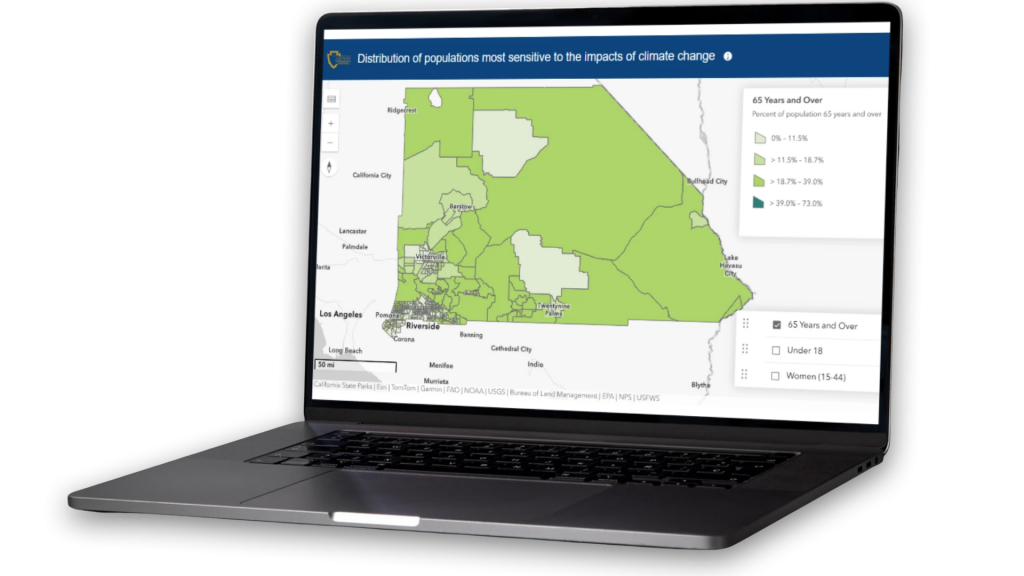
Climate Preparedness and Resiliency
Prepare for the health impacts of extreme heat and climate change
Explore local resources and data, and learn how you can help protect community health, strengthen resilience, and prepare for future climate-related emergencies.
Visit our Climate Preparedness and Resiliency page for more information.
Additional Resources