Healthcare-Associated Infections

Healthcare-associated infections (HAIs) are infections that patients acquire while receiving healthcare for another condition. This can happen at any point during the course of their care at:
- Hospitals
- Outpatient surgery centers
- Dialysis centers
- Long-term care facilities such as nursing homes, rehabilitation centers, and community clinics
- Skilled nursing facilities
- Home
Adherence to infection prevention and control practices (e.g. rigorous hand hygiene, contact precautions, transmission-based precautions, patient cohorting, and environmental cleaning and disinfection) are critical to prevent the spread of diseases.
For more information and resources, please visit our HAIIP Infection Prevention and Control page.
Table of Contents
Click on a link below to navigate to the desired section.
Carbapenem–resistant Organisms (CRO)
Colonization vs. Infection
Colonization is when someone has germs on or in their body but does not have symptoms of an infection. Colonized people can still transmit the germs they carry and can also go on to develop an infection.
An active infection happens when harmful germs have invaded tissues of a patient and are multiplying, causing an immune response from the body.
Antimicrobial Resistance and Carbapenem-resistant Organisms (CROs)
Antimicrobial resistance occurs when the germs no longer respond to the antibiotics designed to kill them. If they develop resistance to the group of antibiotics called carbapenems, they become carbapenem-resistant.
Carbapenem-resistant organisms (CRO) are gram-negative bacteria that are resistant to the broad-spectrum, “last resort” carbapenem class of antibiotics. They include bacteria from the Enterobacterales order (previously Enterobacteriaceae) (CRE), such as E. coli or Klebsiella pneumoniae; Pseudomonas aeruginosa (CRPA); and Acinetobacter baumannii (CRAB). Patients with CRO infections have significantly worse outcomes than patients with susceptible infections.
CROs of Concern for San Bernardino County

Carbapenem-resistant Enterobacterales (CREs) are a group of germs that are difficult to treat because they have high levels of resistance to antibiotics. Klebsiella species and Escherichia coli (E. coli) are examples of Enterobacterales, a normal part of the human gut bacteria, that can become carbapenem-resistant.
In healthcare settings, CRE infections most commonly occur among patients who are receiving treatment for other conditions. Patients whose care requires devices like ventilators (breathing machines), urinary (bladder) catheters, or intravenous (vein) catheters, and patients who are taking long courses of certain antibiotics are most at risk for CRE infections.
Examples of germs in the Enterobacterales order include Escherichia coli (E. coli) and Klebsiella pneumoniae.
CRE infections are difficult to treat because they do not respond to commonly used antibiotics. Occasionally CREs are resistant to all available antibiotics. CREs are a threat to public health.
For additional information, visit: CDC Carbapenem-resistant Enterobacterales

Escherichia coli (abbreviated as E. coli) are bacteria found in the environment, foods, and intestines of people and animals. E. coli is a large and diverse group of bacteria. Although most strains of E. coli are harmless, others can make you sick. Some kinds of E. coli can cause diarrhea, while others cause urinary tract infections, respiratory illness and pneumonia, and other illnesses.
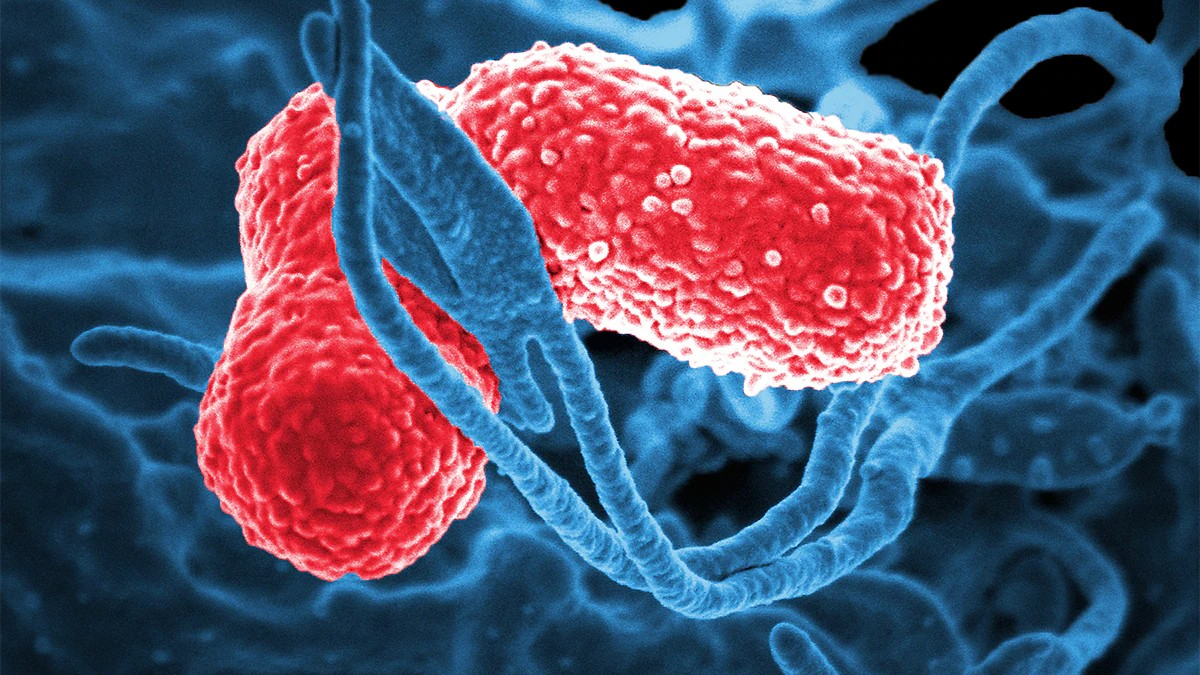
Klebsiella is a type of gram-negative bacteria that can cause healthcare-associated infections including pneumonia, bloodstream infections, wound or surgical site infections, and meningitis. Increasingly, Klebsiella bacteria have developed antimicrobial resistance, most recently to the class of antibiotics known as carbapenems. Klebsiella bacteria are normally found in the human intestines (where they do not cause disease). They are also found in human stool (feces). In healthcare settings, Klebsiella infections commonly occur among sick patients who are receiving treatment for other conditions. Patients who have devices like ventilators (breathing machines) or intravenous (vein) catheters, and patients who are taking long courses of certain antibiotics are most at risk for Klebsiella infections.
For additional information, visit: CDC Klebsiella in Healthcare Settings

Pseudomonas infection is caused by strains of bacteria found widely in the environment; the most common type causing infections in humans is called Pseudomonas aeruginosa. Serious Pseudomonal infections usually occur in people in the hospital and/or with weakened immune systems.
In 2017, multidrug-resistant Pseudomonas aeruginosa caused an estimated 32,600 infections among hospitalized patients and 2,700 estimated deaths in the United States [Source: 2019 AR Threats Report].
Those who are most at risk include persons who:
- Require breathing machines (ventilators)
- Have medical devices like catheters
- Have open wounds from surgery or burns
For additional information, visit: CDC Pseudomonas aeruginosa

Carbapenem-resistant Acinetobacter (CRAB) is a group of bacteria commonly found in soil and water. Outbreaks of Acinetobacter infections typically occur in intensive care units and healthcare settings housing very ill patients. While there are many types or “species” of Acinetobacter and all can cause human disease, Acinetobacter baumannii accounts for about 80% of reported infections.
Acinetobacter baumannii can cause infections in the blood, urinary tract, and lungs (pneumonia), or in wounds in other parts of the body. It can also “colonize” or live in a patient without causing infections or symptoms, especially in respiratory secretions (sputum) or open wounds. Acinetobacter are usually multidrug-resistant.
For additional information, visit: CDC Acinetobacter in Healthcare Settings
Carbapenemase–producing Organisms (CPO)

Carbapenemase-producing Organisms (CPOs) are a subset of CROs that make carbapenemase enzymes which inactivate carbapenem antibiotics.
CPOs that have been identified in California include:
- KPC (Klebsiella pneumoniae carbapenemase)
- NDM (New Delhi metallo- β -lactamase)
- VIM (Verona integron-mediated metallo- β -lactamase)
- OXA-48 (Oxacillinase-48)
- IMP (Imipenemase metallo- β -lactamase)
Carbapenemase genes can be transferred between different kinds of bacteria and lead to the spread of antibiotic resistance.
CPOs are increasingly more common throughout California healthcare settings. Public health and healthcare providers across the continuum of care are coordinating efforts to prevent the emergence and transmission of CRO, CPO and other highly drug-resistant infections in California.
For additional information, visit:
- CDPH CPOs
- CDPH CPO Quicksheet (PDF)
Candida auris (C. auris)

Candida auris (C. auris) is a multidrug-resistant yeast that can spread in healthcare settings among patients via contaminated equipment, healthcare worker hands or clothing, or the healthcare environment. C. auris can cause serious, hard-to-treat infections. In some patients, this yeast can enter the bloodstream and spread throughout the body, causing serious invasive infections. This yeast often does not respond to commonly used antifungal drugs, making infections difficult to treat.
Those who are most at risk include persons who:
- Have prolonged stays in healthcare facilites
- Have medical devices such as central lines, urinary catheters, feeding tubes, or tracheostomies
- Have recently received antibiotics or antifungal medications
- Have weakened immune systems or complex medical conditions
For additional information, visit:
Clostridioides difficile infection (CDI)

Clostridioides difficile (formerly known as Clostridium difficile and often called C. difficile or C. diff) is a bacterium (germ) that causes diarrhea and inflammation of the colon called colitis. C. diff spreads through contact with contaminated surfaces or hands and can persist in the environment for long periods.
Symptoms may range from mild diarrhea to severe intestinal disease requiring hospitalization, fever, abdominal pain or cramping, nausea, loss of appetite. Overuse of antibiotics is the most important risk for getting C. diff infection.
Those who are most at risk include persons who:
- Have recently taken antibiotics
- Have prolonged stays in healthcare facilities
- Have a weakened immune system or serious underlying medical conditions
For additional information, visit:
Staphylococcus aureus
Staphylococcus aureus (S. aureus or staph), is a bacteria commonly found on the skin or in the nose of about 30% of individuals. Most of the time staph does not cause any harm, but it can result in infections when the bacteria enters the body. Staph can spread through direct or indirect contact, such as person-to person contact or contact with contaminated surfaces or objects. In healthcare settings, infections can lead to serious or fatal outcomes.
Several different types of staph can cause infections, including:
- Methicillin-susceptible Staphylococcus aureus (MSSA)
- Methicillin-resistant Staphylococcus aureus (MRSA)
- Vancomycin-intermediate Staphylococcus aureus (VISA)
- Vancomycin-resistant Staphylococcus aureus (VRSA)
Those who are most at risk include persons:
- In intensive care units (ICUs)
- Who have undergone certain types of surgeries
- With medical devices inserted in their bodies
- With weakened immune systems
Although MRSA is often better known, any staph infection can be dangerous, even if it is not resistant to antibiotics.

Methilin-Susceptible Staphylococcus aureus (MSSA)
MSSA is the most common type of staph that is found on the skin and noses of healthy people. Infections caused by MSSA are sensitive to common antibiotics like penicillin and can be effectively treated. Infections can look like pimples, boils or other skin conditions.
For additional information, visit: CDC Staphylococcus aureus Basics

Methicillin-resistant Staphylococcus aureus (MRSA)
MRSA is a type of staph bacteria that is resistant to beta-lactam antibiotics which includes methicillin and the more commonly prescribed penicillin, amoxicillin and oxacillin, among others. Most MRSA infections are skin infections that often appear as a bump, a boil, or area that is red, tender and swollen, and is sometimes confused with a spider bite. More severe or potentially life-threatening MRSA infections occur most frequently among patients in healthcare settings such as hospitals or nursing homes.
MRSA can cause severe problems including:
- Bloodstream infections
- Pneumonia
- Surgical site infections
- Sepsis
- Death
For additional information, visit:
Vancomycin-resistant Enterococci (VRE)

Vancomycin-resistant Enterococci are specific types of antimicrobial-resistant bacteria that are resistant to vancomycin, the drug often used to treat infections caused by enterococci. Enteroccocci are bacteria that are normally present in the human intestines and in the female genital tract and are often found in the environment. These bacteria can sometimes cause infections. Most vancomycin-resistant Enterococci infections occur in hospitals.
Those who are most at risk include persons:
- Have prolonged stays in healthcare facilities
- Have recently received antibiotics, especially vancomycin or broad-spectrum antibiotics
- Have medical devices such as central lines, feeding tubes, or tracheostomies
- Have chronic wounds or complex medical conditions
For additional information, visit: CDC Vancomycin-resistant Enterococci (VRE) Basics
San Bernardino County County Department of Public Health Data: Healthcare-Associated Infections (HAIs) Trends
The Communicable Disease Dashboard describes the extent and prevalence of various reported illnesses for residents in San Bernardino County. This information can be used to redirect disease control efforts.

Carbapenems–resistant organisms (CRO)
Antimicrobial resistance occurs when the germs no longer respond to the antibiotics designed to kill them. If they develop resistance to the group of antibiotics called carbapenems, they become carbapenem-resistant.
Carbapenem-resistant organisms (CRO) are gram-negative bacteria that are resistant to the broad-spectrum, “last resort” carbapenem class of antibiotics. They include bacteria from the Enterobacterales order (previously Enterobacteriaceae) (CRE), such as E. coli or Klebsiella pneumoniae; Pseudomonas aeruginosa (CRPA); and Acinetobacter baumannii (CRAB). Patients with CRO infections have significantly worse outcomes than patients with susceptible infections.
To prevent the spread of diseases, please visit our HAIIP Infection Prevention and Control page.
Carbapenem-resistant Organisms (CROs) of Concern for San Bernardino County
- Carbapenem-resistant Enterobacterales (CRE)Carbapenem-resistant Enterobacterales (CRE)
- Pseudomonas aeruginosa (CRPA) Pseudomonas aeruginosa (CRPA)
- Carbapenem-resistant Acinetobacter (CRAB)Carbapenem-resistant Acinetobacter (CRAB)

Carbapenem-resistant Enterobacterales (CREs) are an order of germs that are difficult to treat because they have high levels of resistance to antibiotics. Klebsiella species and Escherichia coli (E. coli) are examples of Enterobacterales, a normal part of the human gut bacteria, that can become carbapenem-resistant.
In healthcare settings, CRE infections most commonly occur among patients who are receiving treatment for other conditions. Patients whose care requires devices like ventilators (breathing machines), urinary (bladder) catheters, or intravenous (vein) catheters, and patients who are taking long courses of certain antibiotics are most at risk for CRE infections.
Examples of germs in the Enterobacterales order include Escherichia coli (E. coli) and Klebsiella pneumoniae.
CRE infections are difficult to treat because they do not respond to commonly used antibiotics. Occasionally CREs are resistant to all available antibiotics. CREs are a threat to public health.
For additional information, visit: Carbapenem-resistant Enterobacterales
Escherichia coli (abbreviated as E. coli) are bacteria found in the environment, foods, and intestines of people and animals. E. coli is a large and diverse group of bacteria. Although most strains of E. coli are harmless, others can make you sick. Some kinds of E. coli can cause diarrhea, while others cause urinary tract infections, respiratory illness and pneumonia, and other illnesses.
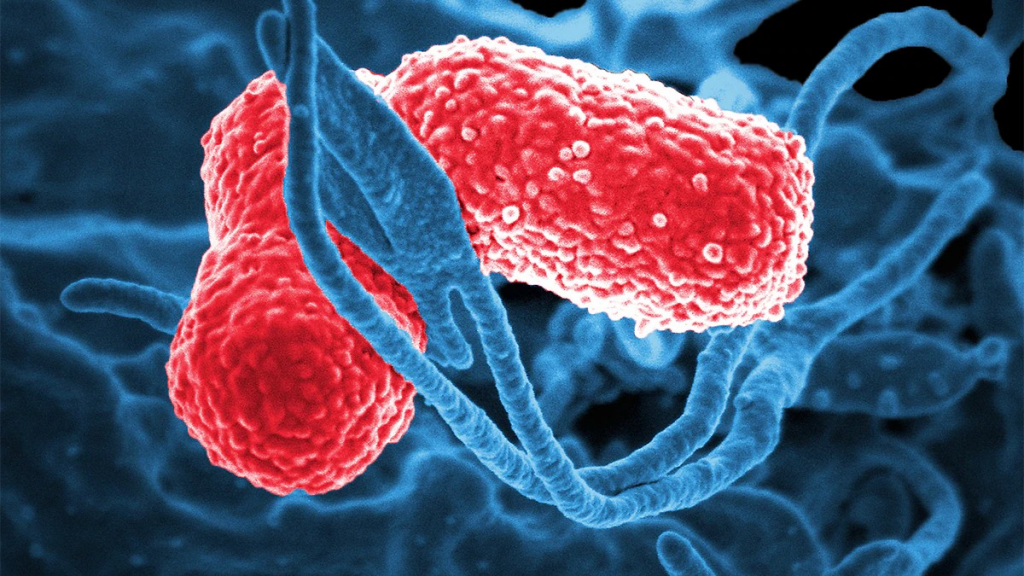
Klebsiella is a type of Gram-negative bacteria that can cause healthcare-associated infections including pneumonia, bloodstream infections, wound or surgical site infections, and meningitis. Increasingly, Klebsiella bacteria have developed antimicrobial resistance, most recently to the class of antibiotics known as carbapenems. Klebsiella bacteria are normally found in the human intestines (where they do not cause disease). They are also found in human stool (feces). In healthcare settings, Klebsiella infections commonly occur among sick patients who are receiving treatment for other conditions. Patients who have devices like ventilators (breathing machines) or intravenous (vein) catheters, and patients who are taking long courses of certain antibiotics are most at risk for Klebsiella infections. Healthy people usually do not get Klebsiella infections.
For additional information, visit: Klebsiella in Healthcare Settings
Pseudomonas infection is caused by strains of bacteria found widely in the environment; the most common type causing infections in humans is called Pseudomonas aeruginosa. Serious Pseudomonal infections usually occur in people in the hospital and/or with weakened immune systems.
- For additional information, visit: Pseudomonas aeruginosa
In 2017, multidrug-resistant Pseudomonas aeruginosa caused an estimated 32,600 infections among hospitalized patients and 2,700 estimated deaths in the United States [Source: 2019 AR Threats Report].
Individuals most at risk include hospital patients, particularly those who:
- Require breathing machines (ventilators)
- Have medical devices like catheters
- Have open wounds from surgery or burns
Carbapenem-resistant Acinetobacter (CRAB) is a group of bacteria commonly found in soil and water. Outbreaks of Acinetobacter infections typically occur in intensive care units and healthcare settings housing very ill patients. While there are many types or “species” of Acinetobacter and all can cause human disease, Acinetobacter baumannii accounts for about 80% of reported infections.
Acinetobacter baumannii can cause infections in the blood, urinary tract, and lungs (pneumonia), or in wounds in other parts of the body. It can also “colonize” or live in a patient without causing infections or symptoms, especially in respiratory secretions (sputum) or open wounds. Acinetobacter are usually multidrug-resistant.
- For additional information, visit: Acinetobacter in Healthcare Settings
Carbapenemase–producing organisms (CPO)

What are Carbapenemase-producing organisms (CPO)?
Carbapenemase-producing organisms (CPO) are a subset of CROs that make carbapenemase enzymes (e.g., NDM, KPC, OXA, VIM, IMP2) which inactivate carbapenem antibiotics. Examples of CPOs that have been identified in California include:
- Verona Integron-encoded Metallo producing Carbapenem-Resistant Pseudomonas aeruginosa (VIM-CRPA)
- New Delhi metallo-beta-lactamase (NDM)
- Acinetobacter baumannii (CRAB)
- Klebsiella pneumoniae carbapenemase (KPC-E. coli)
Carbapenemase genes can be transferred between different kinds of bacteria and lead to the spread of antibiotic resistance.
Carbapenemase-producing organisms (CPO) are increasingly more common throughout California healthcare settings. Public health and healthcare providers across the continuum of care are coordinating efforts to prevent the emergence and transmission of CRO, CPO and other highly drug-resistant infections in California.
CDPH HAI Program Carbapenemase-producing organisms (CPO)
Webpage | Quicksheet (PDF)
Candida auris (C.auris)
Candida auris (C. auris) is a multidrug-resistant yeast that can spread in healthcare settings among patients via contaminated equipment, healthcare worker hands or clothing, or the healthcare environment. C. auris can cause serious, hard-to-treat infections. Healthcare facilities in several countries have reported that a type of yeast called Candida auris has been causing severe illness in hospitalized patients. In some patients, this yeast can enter the bloodstream and spread throughout the body, causing serious invasive infections. This yeast often does not respond to commonly used antifungal drugs, making infections difficult to treat. Patients who have been hospitalized in a healthcare facility a long time, have a central venous catheter, or other lines or tubes entering their body, or have previously received antibiotics or antifungal medications, appear to be at highest risk of infection with this yeast.
For additional information, visit:
Clostridioides difficile infection (CDI)
Clostridioides difficile (formerly known as Clostridium difficile and often called C. difficile or C. diff) is a bacterium (germ) that causes diarrhea and inflammation of the colon called colitis.
Diarrhea and fever are the most common symptoms of C. diff infection. Overuse of antibiotics is the most important risk for getting C. diff infection.
For additional information, visit:
Staphylococcus aureus
Patients at higher risk for infection include those:
- In intensive care units (ICUs)
- Who have undergone certain types of surgeries
- With medical devices inserted in their bodies
- With weakened immune symptoms
In healthcare settings, infections can lead to serious or fatal outcomes.
Several different types of staph can cause infections, including:
- Methicillin-resistant Staphylococcus aureus (MRSA)
- Methicillin-susceptible Staphylococcus aureus (MSSA)
- Vancomycin-intermediate Staphylococcus aureus (VISA)
- Vancomycin-resistant Staphylococcus aureus (VRSA)
Although MRSA is often better known, any staph infection can be dangerous, even if it is not resistant to antibiotics.
Methilin-Susceptible Staphylococcus aureus (MSSA)
Staphylococcus aureus (staph) is a bacterium commonly found on the skin and in the nose of about 30% of individuals. Most of the time, staph does not cause any harm. These infections can look like pimples, boils, or other skin conditions and most are able to be treated.
For additional information, visit: Staphylococcus aureus in Healthcare Settings
Methicillin-resistant Staphylococcus aureus (MRSA)
Methicillin and other more common antibiotics such as oxacillin, penicillin, and amoxicillin. Most MRSA infections are skin infections that often appear as a bump, a boil, or area that is red, tender and swollen, and is sometimes confused with a spider bite. More severe or potentially life-threatening MRSA infections occur most frequently among patients in healthcare settings.
In healthcare facilities, such as a hospital or nursing home, MRSA can cause severe problems including:
- bloodstream infections
- pneumonia
- surgical site infections
- sepsis
- death
For additional information, visit: MRSA Basics
Vancomycin-resistant Enterococci (VRE)
Vancomycin-resistant Enterococci are specific types of antimicrobial-resistant bacteria that are resistant to vancomycin, the drug often used to treat infections caused by enterococci. Enteroccocci are bacteria that are normally present in the human intestines and in the female genital tract and are often found in the environment. These bacteria can sometimes cause infections. Most vancomycin-resistant Enterococci infections occur in hospitals.
For additional information, visit: Vancomycin-resistant Enterococci (VRE) Basics
San Bernardino County Department of Public Health Data: Healthcare-Associated Infections (HAIs) Trends
The Communicable Disease Dashboard describes the extent and prevalence of various reported illnesses for residents in San Bernardino County. This information can be used to redirect disease control efforts.