Resources and Training
Find forms, tools, templates, and infection prevention training to support infection control efforts at your facility.

Reporting to Public Health
What to Report
Healthcare providers and laboratories are required to report communicable diseases, outbreaks, and unusual infectious diseases to the local public health department. Please refer to the links below for reportable diseases and additional details.
- Requirements to Report Outbreaks and Unusual Infectious Disease Occurrences (AFL 23-08)
- Title 17 California Code of Regulations (CCR) sections 2500-2502
How to Report
- Title 17 California Code of Regulations (CCR) sections 2500-2502: Please report the reportable healthcare-associated infections to the San Bernardino County Department of Public Health HAIIP Program through email or phone.
- Outbreaks: Report all outbreaks to your local public health department.
- All outbreaks occurring in healthcare facilities, please report to the San Bernardino County Department of Public Health HAIIP Program through email or phone.
- For health facilities licensed by CDPH Licensing and Certification (L&C) Program, outbreaks will also need to be reported to your local CDPH L&C District Office. For contact information to your nearest CDPH L&C District Office, visit: CDPH Licensing and Certification District Offices
- CDPH HAI Reporting Guidance for California Hospitals
Next Steps After Reporting
- Testing
- Cohorting
- Line visit
- Site visit
Resources
Contact Us
Phone: 800-722-4794
HAIIP Fax: 909-381-8473
Email: HAIIP@dph.sbcounty.gov
Business Hours:
Monday – Friday
8 a.m. – 5 p.m.
After Hours: 800-472-2376 (Outside of business hours and holidays.)
Education Resources for Healthcare Facilities
General Resources
- CDPH Skilled Nursing Facility Antibiotic Stewardship Program Implementation Toolkit
- CDPH Monitoring Adherence to Health Care Practices that Prevent Infection
- Confidential Morbidity Reports and Reporting Forms
- SBCDPH Antibiotic Stewardship Toolkit
- CDPH Interfacility Transfer Form
Infection Prevention Resources
CDPH Self-Assessment Tools:
CDPH Adherence Monitoring Tools:
- CDHP Adherence Monitoring Environmental Cleaning and Disinfection Tool
- CDPH Adherence Monitoring Hand Hygiene Tool
- CDPH Adherence Monitoring Contact Precautions Monitoring Tool
- CDPH Adherence Monitoring: Wound Care Tool
Line List Templates:
A line list is a document designed to track detailed data on demographics, clinical signs, and exposures of each case or contact related to an outbreak investigation.
To request line list templates, please email the HAIIP Program at: HAIIP@dph.sbcounty.gov
Investigation Resources
Trainings
Project Firstline
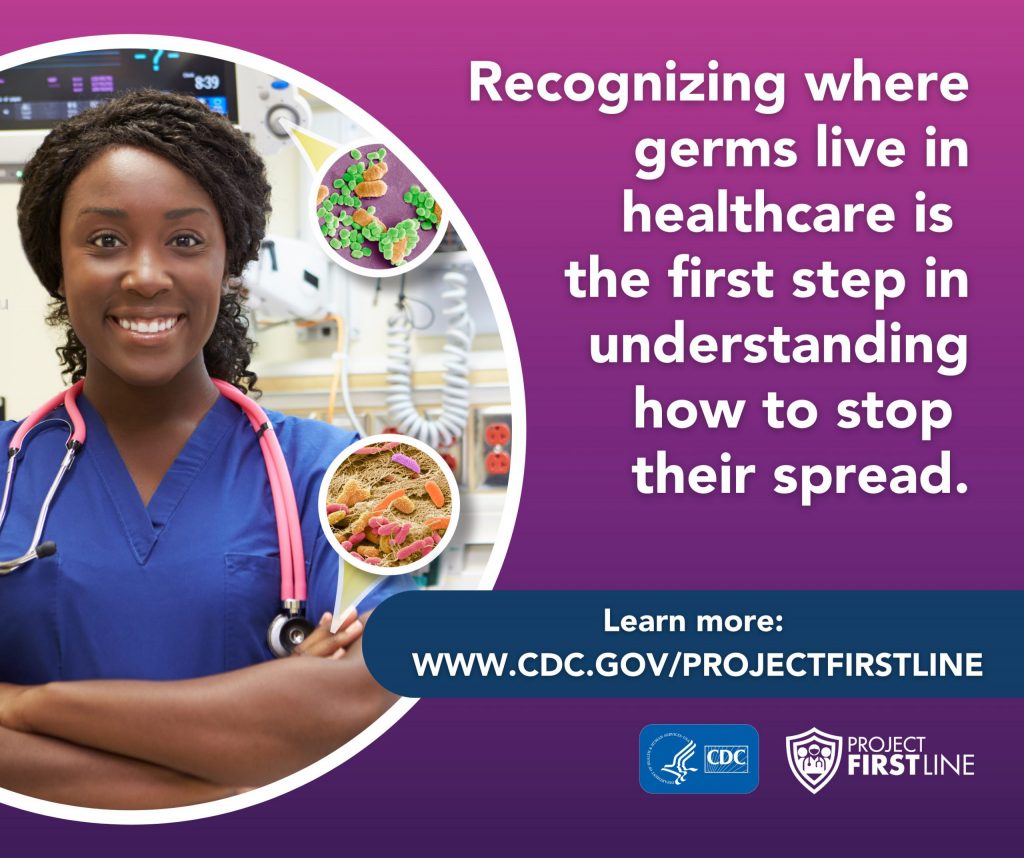
Project Firstline is the CDC’s national training collaborative for healthcare infection control. Project Firstline offers free infection control Training and Educational Materials and aims to support frontline healthcare workers in better understanding and applying infection control as part of their role.
Meetings
HAIIP Collaboration Meetings
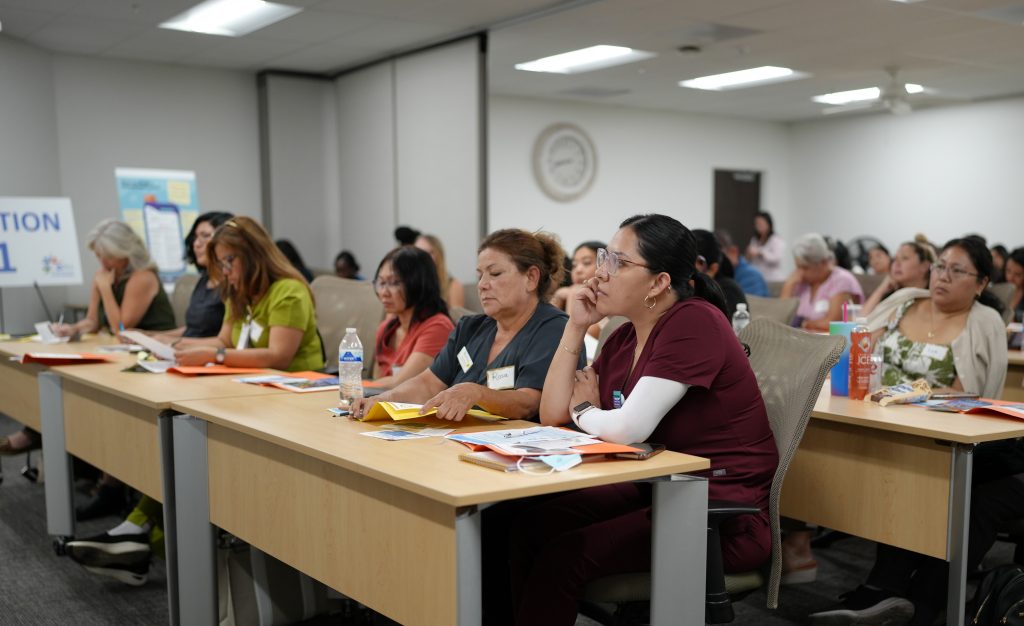
- HAIIP Presentation: Infection control practices, use of personal protective equipment (PPE), Train-the-Trainer, current guidelines on managing healthcare-associated infections (HAIs), identifying and reporting HAIs, investigation and outbreak management, and ongoing support.
- HAIIP presentation: Reporting and Outbreaks, multidrug-resistant organisms and point prevalence surveys (PPS), enhanced barrier precautions, establishing an effective infection prevention (IP) program, Legionnaires’ disease, and water management plans.
- HAIIP presentation: Respiratory illness data and trends, visitor guidance, enhanced barrier precautions, COVID-19 data and trends, updated COVID-19 guidance.
- Preparedness and Response Program presentation: Jurisdictional Risk Assessment
- Cohorting Guidance
HAIIP Office Hours
These tools are designed to help facilities independently assess their facility practices, identify opportunities for improvement, and support preparation for site visits in a structured and practical way.
- CDPH HAIIP Core Self-Assessment Tool
- CDPH HAIIP MDRO Infection Prevention Assessment Tool
- CDPH Ventilator and Respiratory Care Focused Self-Assessment Tool
- CDPH Monitoring Adherence to Health Care Practices that Prevent Infection
- CDPH Hand Hygiene Adherence Monitoring Tool
- CDPH Contact Precautions Adherence Monitoring Tool
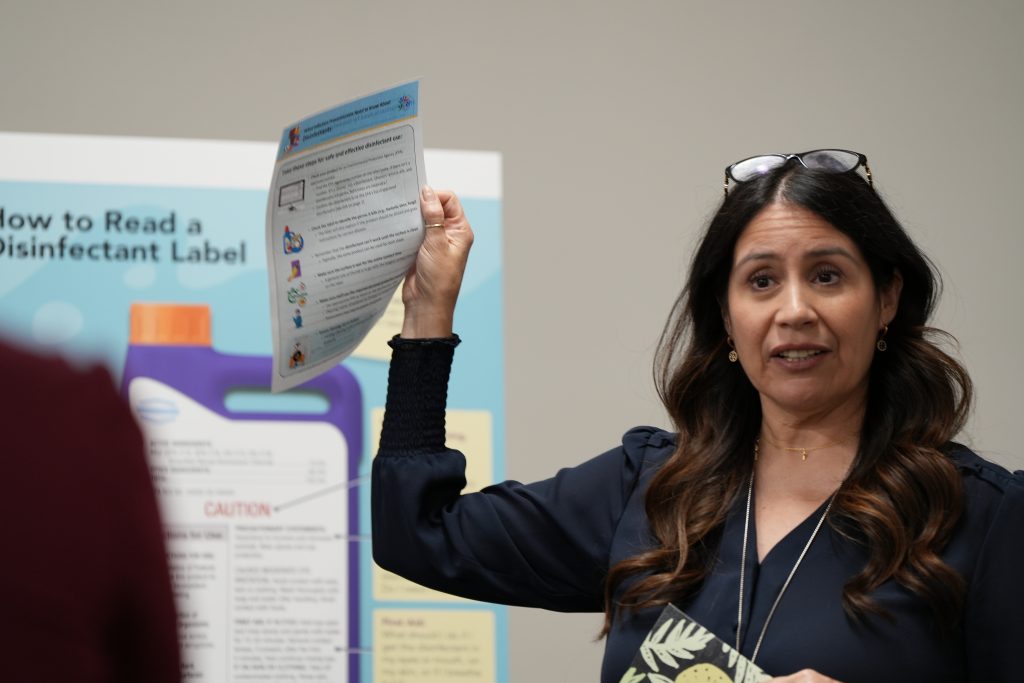
- CDPH Environmental Cleaning and Disinfection Adherence Monitoring Tool
- CDPH Fluorescent Marker Assessment Tool
- CDPH Wound Care Adherence Monitoring Tool
- CDPH Infection Prevention During Wound Care
- County of San Diego Environmental Services (EVS) Cart Set-Up Video
- County of San Diego HAI EVS Room Cleaning Video
Additional Resources
California Department of Public Health (CDPH)
Past HAIIP Connection Newsletters
This newsletter provides valuable information on best practices for preventing and controlling infections within healthcare facilities. It also covers important topics such as antibiotic stewardship, emergency preparedness, and upcoming training opportunities, ensuring that healthcare professionals are equipped with the knowledge and tools they need to maintain a safe environment.
- Winter 2025: Healthcare surge, infection prevention resources, and SBC Department of Public Health resources
- November 2024: Antimicrobial resistance and respiratory tract infections (RTIs), respiratory virus season preparedness
- August 2024: Importance of immunizing Long-term care facilities (LTCFs) residents, environmental services (EVS)
- May 2024: Penicillin allergy, enhanced standard precautions
- April 2024: Clostridioides difficile infection (CDI), transmission-based precautions
- March 2024: Overuse of antibiotics, hand hygiene
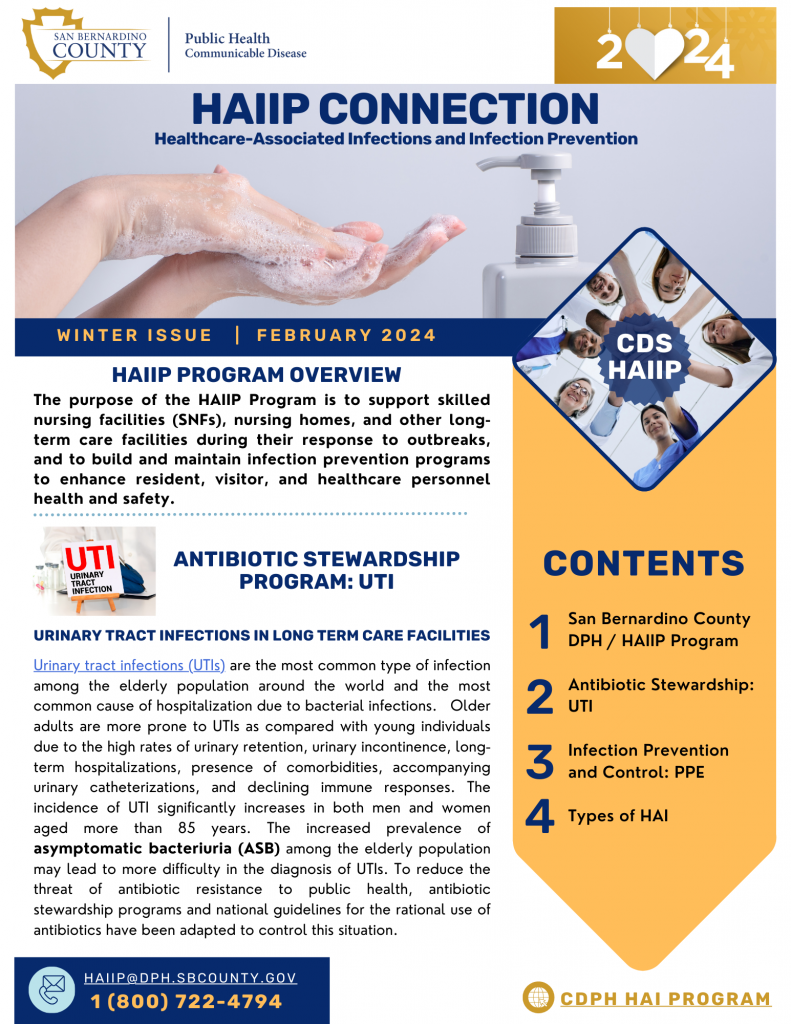
- February 2024: Urinary tract infections (UTI), Personal protective equipment (PPE), types of healthcare-associated infections (HAI)
Other